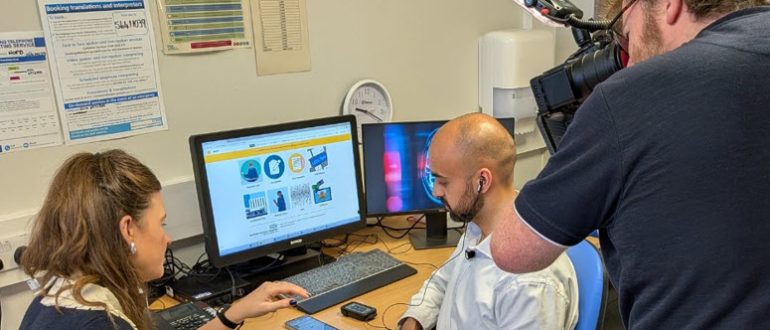

The advancement of stroke rehabilitation continues to evolve with the integration of neuromodulatory technologies designed to augment traditional physiotherapy outcomes. A prominent development in this field is the TRICEPS trial, which was recently featured on the BBC Tech Now programme, featuring Dr Sheharyar Baig, a neurologist at Sheffield Teaching Hospitals NHS Foundation Trust. This clinical investigation focuses on the efficacy of Transcutaneous Vagus Nerve Stimulation (TVNS), a non-invasive method of stimulating the vagus nerve to facilitate neuroplasticity. Unlike earlier iterations of vagus nerve stimulation that necessitated the surgical implantation of a pulse generator, the TVNS approach utilised in the TRICEPS trial employs a specialised earpiece that delivers mild electrical impulses through the skin of the ear. This stimulation is specifically timed to occur during the performance of rehabilitation exercises, with the theoretical aim of “priming” the brain to be more responsive to motor retraining.
The underlying mechanism of paired vagus nerve stimulation involves the release of neuromodulators, such as acetylcholine and noradrenaline, which are critical for strengthening the neural connections required for motor control. By delivering these pulses while a survivor engages in task-specific exercises, the technology seeks to enhance the relevance of physical therapy and improve upper limb function. Clinical accounts from the trial, such as that of participant Amanda, illustrate the practical implications of this research. After six years of persistent right-hand impairment, Amanda reported significant functional gains following a 12-week regimen, which involved using the device for approximately one hour daily. These gains included the restoration of fine motor skills required for sewing and the ability to perform activities of daily living, such as dressing and housework, without assistance.
The TRICEPS trial is currently the largest study of its kind in the UK, operating across 19 NHS hospital sites, including the Royal Hallamshire Hospital in Sheffield. Following an independent review, the recruitment target has been expanded to 270 participants to ensure the statistical robustness of the final results. Eligibility is broad, including adults who have experienced an ischemic stroke between six months and ten years ago and who still suffer from moderate to severe arm weakness. As recruitment is scheduled to conclude in July, the trial organisers are actively seeking final participants to help establish whether this cost-effective, at-home solution can be scaled nationally. Interested survivors can apply through the Trial Manager, Kirsty McKendrick, or contact the team at triceps@sheffield.ac.uk.