I want specialist stroke therapy & rehabilitation now
I want specialist speech and language therapy now
I'm a trainer or therapist wanting to qualify in stroke rehabilitation
We are on Facebook

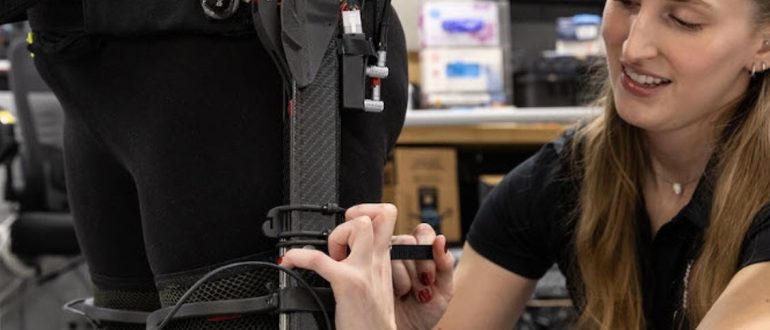
Neuromuscular stimulation, also called functional electric stimulation, (commonly abbreviated as FES) is the clinical application of a small electric current to the intact nerves of your body, in order to trigger a muscle contraction and increase cortical excitability during training. This contraction is then incorporated into a functional activity like walking. A clear distinction needs to be made between Therapeutic Stimulation and Functional Stimulation. The former is an exercise where you relax whilst the stimulation works on its own. FES on the other hand, incorporates this elicited muscle movement into your everyday activities, like standing, walking, reaching out, etc. Like CIMT, it is probably most suitable to try if you possess some wrist and hand movements. I’m not aware of anyone trying to use CIMT and FES protocols together. I can’t see why FES couldn’t be built into a CIMT routine.
From The Successful Stroke Survivor book by Tom Balchin.
www.arni.uk.com
#strokesurvivorscan #strokeexercise #strokerehabilitation #exerciseafterstroke #strokerehab #neurorehabilitation #neuroplasticity #strokerecovery #strokerecoveryexercises

I used FEs in conjunction with a mirror box, it may be one of the reasons I’m typing this with both hands
IMPORTANT INFORMATION 🙂
The most important person participating in your recovery is You:)!
The brain is flexible due to neuroplasticity and in certain circumstances, the brain is radically rearranged 🙂
It is very important:
- repetitive exercises ,
-task-specific exercises,
- lots of practice ,
-cardio exercises ,
-strengthening exercises,
Call us on 0203 053 0111 or email support@arni.uk.com if you want to know if there's a trainer near you who can help you with your recovery.
www.arni.uk.#StrokeRehabr#strokerecoveryo#neurorehabr#Neurorehabilitationa#strokesurvivorscanr#exerciseafterstroket#strokeexerciser#strokerehabilitationa#strokerecoveryexercisesc#neuroplasticityi#ARNIstrokerehabrehab
A good way to train your hand grasp and release mechanism is simply to try and turn a door handle.
#strokerecovery #strokerehabilitation #neuroplasticity #strokesurvivorscan #exerciseafterstroke #StrokeRehab #Neurorehabilitation #neuroplasticity #ARNIstrokerehab #strokerecoveryexercises
www.arni.uk.com
Our wonderful ARNI Instructor, Jo, passed away last night.
She was a total warrior...
And let none of us know, even me, that at the time she received our rounder card in November, signed by so many ARNI Instructors (50 of you; thank you all of you), that she was facing a second tumour,
Sadly when they removed her brain tumour, they had found a second much more aggressive one in a scan, just before surgery.
They were unable to remove it and she was too poorly to tolerate treatments either.
She was an ARNI Instructor for 10 years this year, and I will MISS HER...
Very much...
Roz (Harry's Mum), told me the news today (Roz, Jonathan and Harry Baker so kindly put Betty, Jo's sister up for 10 weeks at their house to facilitate her to be with Jo). Thank you to the Baker family; Harry is training at ARNI just behind Jo in this picture, coincidentally...
My condoloncesto the family.
So sorry to hear this sad news. Please pass on our condolences and healing thoughts to Jo's family. Sounds like she was a very special lady. 🙏🙏🙏
So sorry x 😢
Am so very sorry to hear ❤️🙏❤️
Sad news. She was an inspiring lady.
So sad to hear this.
Jo was an amazing lady xxx
Sorry to hear this news, Tom. Condolences to Jo's family and friends 🤍
Prayers to her family and all of you😇🙏💗
Sorry for your loss
This is such sad news.
Sending our love to Jo’s family and friends. Thinking of you all xx
So sorry har this news about Jo , we always had lovely conversations at ARNIs annual meetings . Brave lady ❤️
So sad news .My condolences for your loss 🙁
So sad news, Jo was a very inspirational person. RIP😟
Very sad news, but an inspiring and supportive post. Lots of love shown by everyone mentioned ❤️
I will never forget Jo. She was an inspiration to me and I'm sure many others. Such an important part of my journey so far. My heartfelt condolences. Love you Jo, from Paul. Xxx
Sending all my love and thoughts to those close to Jo in this impossibly hard time of grief. ❤️
Sorry to hear the very sad news x
Fly high Jo. Shine bright in the sky. You will be missed by so many. My condolences 🕊️
Have a great weekend!
www.arni.uk.com
#strokeexercise #strokerecoveryexercises #strokesurvivorscan #StrokeRehab #neuroplasticity #exerciseafterstroke #Neurorehabilitation #strokerehabilitation #strokerecovery
Passive range of motion exercises are good way to activate neuroplasticity when you have difficulty moving a limb. It's done by someone helping by moving your affected limbs through their full range. You can also do passive exercises yourself by using your unaffected side to move your affected ones. This will help your recovery by by sparking neuroplasticity.
And remember we have trainers throughout the country who can help you. Call us on 0203 053 0111 or email support@arni.uk.com to find out if there's one near you.
www.ar#StrokeRehabt#strokerecoveryexercisesy#exerciseafterstrokef#strokerehabilitationb#strokeexercisek#strokerecoveryk#Neurorehabilitationbilitation
An instructor trained in the ARNI Method of stroke rehabilitation will guide you through all the physiotherapy, exercises and coping techniques you need to regain your independence and your life.
Call us on 0203 053 0111 or email support@arni.uk.com to find out if there's an instructor near you.
www.arni.uk.#exerciseafterstroket#strokeexerciser#strokerecoveryexercisesc#strokerehabilitationa#StrokeRehabr#strokesurvivorscanrscan
Approximately 40% of stroke survivors experience this difficulty: to comprehend or produce spoken or written language caused by a cerebrovascular accident. In half of these cases the language impairment still persists one year post-stroke. Aphasia has wide-ranging effects on the ability to function and quality of life of stroke survivors and easily leads to social isolation.
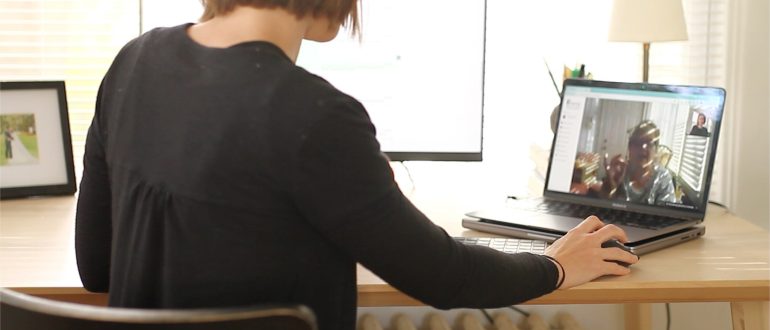
If you need help, ARNI SLT Telerehab can now help YOU, right now, wherever you are in the world!
The latest evidence shows clearly that you can conquer aphasia very successfully with the help of speech and language therapy.
And it also shows that SLT Telerehab is just as effective as in-person, face to face treatment.
We have a team of highly experienced low-cost specialist SLTs (all post-grads from Universities such as UCL, the University of Cape Town etc) who are available to help you right now, in your home, via Zoom. You get a one to one hourly service, based around your diary needs, from the comfort of your own home, with a highly experienced specialist speech and language therapist. Please enquire to arni.uk.com/get-remote-speech-language-help-now/ !
#aphasia #strokesurvivors #strokerecovery #strokerehabilitation #StrokeRehab #aphasiaawareness #Neurorehabilitation #arni #exerciseafterstroke #strokeexercise #strokerecoveryexercises #neuroplasticity #ARNIstrokerehab
www.arni.uk.com
In the private and home rehabilitation settings, stroke survivors can engage in task-specific practice very easily by themselves or with the help of an ARNI Stroke Rehab UK trainer or physio. The rationale is that by repeatedly and intensively practicing meaningful, real-world activities, from lifting a cup to getting dressed, the brain reorganises neural pathways, improving the control over motor functions relevant to those specific tasks.
This approach moves beyond general exercises to focus directly on the functional skills that enhance independence, motivating patients through visible, goal-oriented progress. While private clinics can offer the benefit of therapist supervision, specialised equipment and intensive regimens, stroke survivors reading this will be all too aware that consistent practice at home is crucial for achieving high dosages of repetition rates necessary for effective motor learning. ARNI Stroke Rehab UK instructors work with patients to set up personalised routines, often leveraging accessible technology or adapted household items, making rehabilitation a continuous, integrated part of daily life.
www.arni.uk.com #strokesurvivorscan #neuroplasticity #strokerecoveryexercises #exerciseafterstroke #StrokeRehab #Neurorehabilitation #strokerecovery #strokeexercise #strokerehabilitation
A cause of poor balance after stroke is impaired muscle strength and coordination in the legs and core. Therefore, pursuing exercise to improve strength and coordination in both the legs and the core muscles can result in improved balance.
In addition to generalised rehabilitative exercises, practicing weight-shifting exercises, balance tasks, and gait training can be especially effective.
ARNI Trainers are excellent resources to consult about which leg and core exercises may be most effective for your specific condition.
Call us on 0203 053 0111 or email support@arni.uk.com to find out if there's a trainer near you who can help you.
www.arni.uk.#neuroplasticityi#strokerehabilitationa#strokeexerciser#StrokeRehabr#strokerecoveryexercisesc#exerciseafterstroket#strokerecoveryo#Neurorehabilitationation
NEW! GET YOUR COPY OF NEW BOOK BY TOM BALCHIN LEARN HOW TO RECOVER OPTIMALLY
CLICK HERE
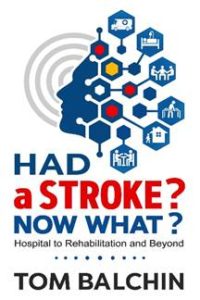 Whether you had your stroke a week or 20 years ago, this seriously practical book reveals everything you need to know about for real-life, evidence-based long-term recovery from limitations caused by stroke, that you can actually understand, use and apply successfully for yourself. With 244 pages of new information and material, it’s stacked with revelations for you based on the neuro-rehabilitation evidence-base.
View Comments
Likes:
4
Shares:
1
Comments:
1