
Recent news in stroke rehabilitation highlights advancements like using retro video games for cognitive and motor recovery, new wearable robotic devices to assist with arm and leg movement, and high-intensity walking programs showing promise for improving mobility and quality of life in early stroke patients.
Additionally, new non-invasive techniques such as transcranial magnetic stimulation and transcranial direct current stimulation are being investigated for their potential to enhance motor and language skills.
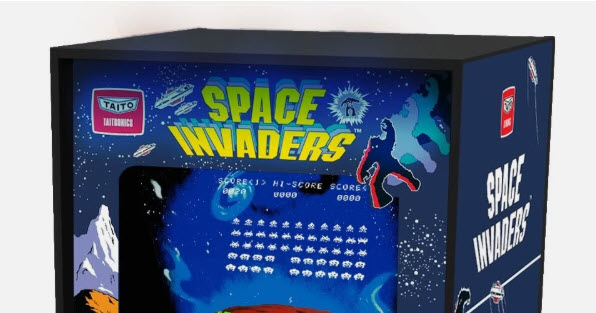
Retro Video Games: researchers in Sydney are using retro video games like “Foot Tetris” and “Space Invaders” to make rehabilitation fun and effective, helping patients with balance, cognitive reaction times, and complex stepping manoeuvres.
Wearable Robots & Devices: startups and universities are developing wearable robots and connected systems for ankle, foot, and upper limb rehabilitation. These devices, some with embedded electrodes, help retrain the brain and muscle connection by detecting muscle activation and stimulating nerves.
Neurostimulation: clinics and universities are researching non-invasive brain stimulation techniques, such as transcranial magnetic stimulation (TMS) and transcranial direct current stimulation (tDCS), to improve motor and language recovery after a stroke.