Welcome to the ARNI Stroke Charity website for stroke survivors, families and healthcare professionals: providing specialist rehabilitation therapy and exercise support after hospital and community physiotherapy finishes.
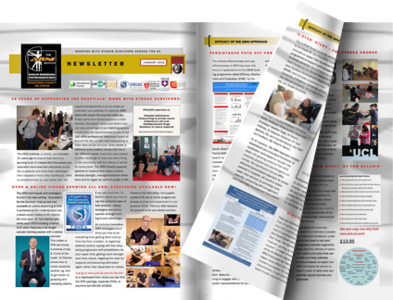
Please click on the 2026 ARNI Newsletter
Your Stroke / Brain Injury Recovery Starts Here
ARNI home-based training and guidance for your rehab is POWERFUL. Accept no substitute.
Tiredness is something we all experience in our everyday lives. But how about the sort of tiredness which seems to be unrelated to physical or mental exertion, and does not seem to be alleviated by rest? This is a real problem for many stroke survivors on top of the many other problems they may face – and is called ‘fatigue’.

Fatigue is one of the most commonly reported symptoms after Stroke with a prevalence of up to 80%, characterised by overwhelming physical and/or mental tiredness or exhaustion.
For many the symptoms dissipate and lessen over time. Others continue to experience these symptoms at a high level many years after their stroke. This is calledΒ chronic fatigue.
Chronic Fatigue has a major impact on Quality of an individualβs life, making everyday tasks feel overwhelming and unachievable, or just plain exhausting. Despite the high prevalence, what causes fatigue to persist for months or years after a stroke remains an open question.
Researchers continue to try and get a better understanding of the mechanisms that underlie fatigue in order to answer this question. Understanding more about it may in turn can maybe lead to the development of effective interventions which may significantly alleviate the condition.
The Effort Lab, led by Dr Anna Kuppuswamy, based at the Institute of Neurology, UCL, in London, has been studying fatigue over the last 10 years to better understand the brain mechanisms that underlie this highly debilitating symptom, not only after Stroke but across other neurological conditions such as Multiple Sclerosis and Parkinsonβs Disease.
Their work suggests that altered perception of various sensations can explain the onset and persistence of fatigue.
When performing day to day tasks for example, altered perception will make the tasks feel more effortful. And when in a busy environment with background noise, altered perception results in being overwhelmed and brings on fatigue.
What remains unclear is the relationship between fatigue and visual perception.
They have designed a way that stroke survivors can feedback their experiences to the research team in order to gather important information from various neurological conditions so that they can better understand the possible links.
CALLING ALL STROKE SURVIVORS – PLEASE HELP BY GETTING INVOLVED IN THIS IMPORTANT STUDY IF IT IS APPROPRIATE TO YOUR SITUATION!
It takes no more than 45 minutes on an online combined quiz and questionnaire:Β
online quiz: completing a couple of questionnaires
online task: identifying shapes and responding by pressing the appropriate buttons on your keyboard.
A tip: For best display of the questionnaire graphics, use a laptop/desktop computer or tablet…
Strong evidence exists that physiotherapy improves the ability of people to move and be independent after suffering a stroke. But at six months after stroke, we know that many people remain unable to produce the movement needed for every-day activities such as answering a telephone. So, what can be done?
1. First, itβs important to be able to recognise if a physiotherapy intervention is really aiding a survivorsβ abilities to undertake everyday activities or whether the intervention is doing less than it than it purports to/would ideally do.
This requires a deeper knowledge of the biological underpinnings of neuromuscular function. Neuromuscular function includes the ability to use weak muscles in the right order and at the right time during movement and performing everyday tasks in the same way as you did before the stroke.
2. Second, to optimise a physiotherapistβs chances to advise/work on an optimal combination of rehab interventions for each individual after stroke, it would be ideal to find out what kinds of sleep patterns are most beneficial for them.
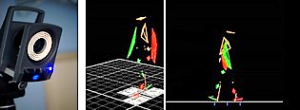
Physiotherapists need to be able to have the same opportunity to diagnose how to help each stroke survivor gain the kind of very accurate movement measures at any point in their rehabilitations that currently, only specialist University facilities can routinely produce. This equipment is obviously expensive and can only be used in large specialised laboratories.
Ideally, more portable equipment should also be able to be accessed by therapists, which would cost less and is designed for use in small spaces. But such equipment would have to also be sensitive enough to provide meaningful feedback for therapists in a similar way to those used by the specialist labs. Such feedback could then be very useful for therapists and survivors to create optimal rehab plans together which would really enable the survivor to work on his/her edges of current ability.

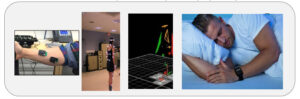
A School of Health Sciences research team at the University of East Anglia (UEA) headed up by Professor Valerie Pomeroy have been attempting to find out if this can be done and have also been examining how sleep patterns affect rehabilitations.
—————
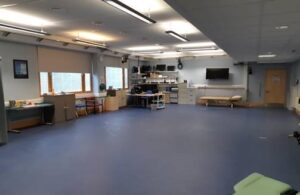
Following on from a request last year, the UEA would like to invite YOU to come TWICE to theirΒ Movement and Exercise Laboratory (MoveExLab) to get involved with this Project if you can/if it’s appropriate for your circumstances.
Dr Balchin says: you never know how such involvement can directly or indirectly push your own rehab forward, at whatever time away from stroke you are. Knowledge is power, Anything that can give you clues and cues about the state of your rehab and current/future interventions can be useful.
Go for it if you can/if it’s appropriate for you!
Inclusion criteria: you need to be 18 or above, have had a stroke at any point in the past, be discharged from NHS stroke services and be without an allergy to latex.
What you’ll be doing:
Upon application, if no contra-indications are revealed, you’ll be invited to undertake 2 assessments at the MoveExLab.
These assessments (around 90 mins to complete each) will be between 2 and 4 months apart. In each, you’ll have EMG electrodes placed on your skin using hypoallergenic sticky tape. These will measure your muscle activity as you move and don’t hurt at all, but just record your natural muscle activity during movement.
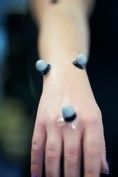
They’ll then place reflective markers on your skin. These markers are tracked by infra-red cameras placed at the top of the walls of the MoveExLab.
You’ll then be asked to pick up a telephone several times, which is placed a number of different positions, whilst your performance on the tasks is recorded (and reconstructed on the computer).
Then you’ll complete some questionnaires about how you sleep.
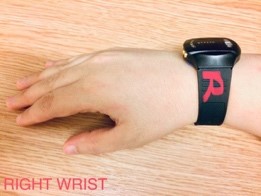
Then you’ll wear a motion watch on each wrist for 7 days to measure your everyday activity, which you’ll then send back in an SAE.
No sort of ‘therapy’ is implemented to project participants.
The Team will be in contact with you throughout the period of your involvement.
Travel expenses can be reimbursed for return journeys of up to 50 miles (ie, 25 miles each way).
If you are travelling in from further away, you can claim travel expenses for your journey up to 50 miles in total as well.
—————-
Apply now by speaking with the principal investigator: Professor Valerie Pomeroy..
Itβs probably true to say that a lack of motivation is one of the more serious factors involved in unsuccessful rehabilitations. A gradual diminishing of motivation is also a really normal reaction to setbacks, and stroke is one SERIOUS set-back.Β
You can bet that Iβve met quite a few stroke survivors over the years whoβve become prone to anxiety, depression and/or angerΒ because of the condition they have found themselves in.
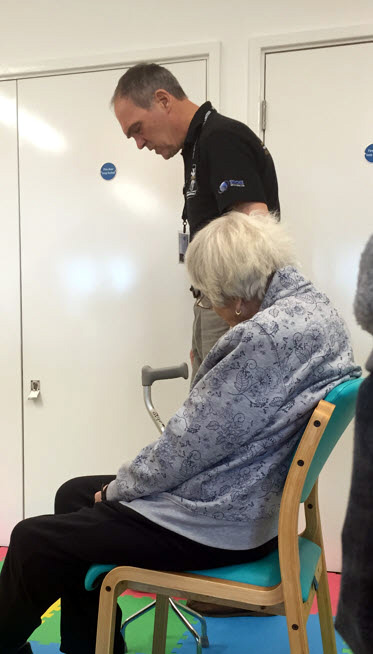
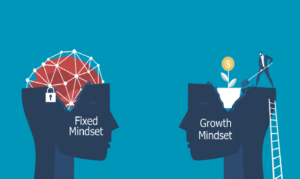
I hope that Iβve been able to facilitate at least some of these people towards the benefits of maintaining a βgrowth mindsetβ concerning their recovery, despite their difficulties.
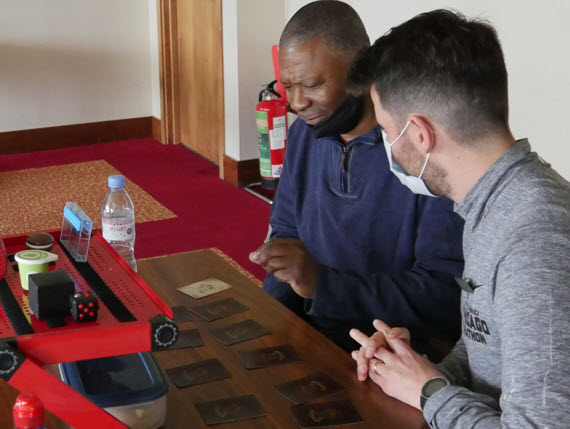
For example, there is a question that is often asked after a while if successes become imperceptible or grind to a halt. It is: βwhy bother to try retraining when nothing more seems to be happening, despite everything Iβm doing so far?β
There are a number of instant answers that a neurologist would give you to this. Primary among them would be the point that even though changes may not be visibly occurring as a result of your efforts, your rehab training will still be as essential for warding off decline as well for driving positive functional change.This is why getting an ARNI trainer to tackle this with you is even more important.
So a good battle-plan is to find out more and more about your presentation (as it stands RIGHT NOW) and available treatments (AS THEY STAND RIGHT NOW), via as many knowledge-sources, is key.
For example, most people don’t understand (forget, aren’t told, or don’t read about the) need to continually promote an increase in active range of movement (AROM) in as many planes and pivots as possible.
Increase in non-functional AROM increases strength and muscle bulk, encourages muscular activity which promotes vascular return, decreases the potential for soft-tissue shortening and damage with resultant pain and stiffness and increases osteoblastic activity on your more-affected (and also possibly osteoporotic) side. Also, by doing this, youβll render yourself more eligible for new technologies and/or medical options and emerging treatments to augment your retraining.
So, by steering you toward the potential inherent in effective retraining, I hope to promote a βgrowth mindsetβ in you, if youβre not already βon-boardβ. You are a learner. And so am I, as a stroke survivor of what is now a full 25 years. You and I have to keep learning and keep retraining as stroke survivors, keep exploring and keep innovating over the long term. Easy to say, harder to do. But you MUST please, please write down a few things and start doing them. Then make a pattern of them day by day, which you don’t want to break, because it’s what you ‘do. And trust me, people will respect you for that.
Do MORE than able bodied people training-wise. Show them up!! Make them wish they WERE YOU!!
It’s possible.
Ultimately you may want to pass the things youβve learned and constructed onto other survivors so that they can make of them what they will. I will show you how you can get motivated by getting successful; on what I call the βbig fixes and the small stepsβ. This is, of course, only done by getting busy and starting to retrain with sensible staging posts. Youβll find your way through.
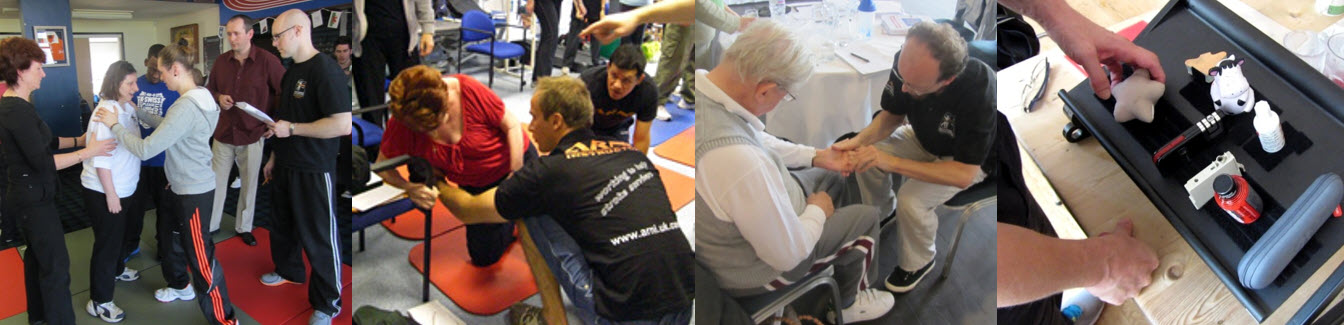
Have you thought about becoming an ARNI Stroke Rehab Instructor or nominating a colleague of yours to enter on the Course in order to Accredit/Qualify in Functional Rehabilitation After Stroke?
If not, please read on….Β or please help if appropriate, by forwarding to a suitable colleague or two as a suggestion for consideration.
We have a couple of places left on forthcoming ARNI Stroke Rehabilitation Standard 6-Day Qualification Course⦠which is for the moment (due to Covid) available largely ONLINE.
Accredited by ARNI Institute, Middlesex University and very kindly assisted by the Institute of Neurology, UCL, and other experts in neurorehabilitation including from Oxford University. The Course has run 3 times per year for 15 years.
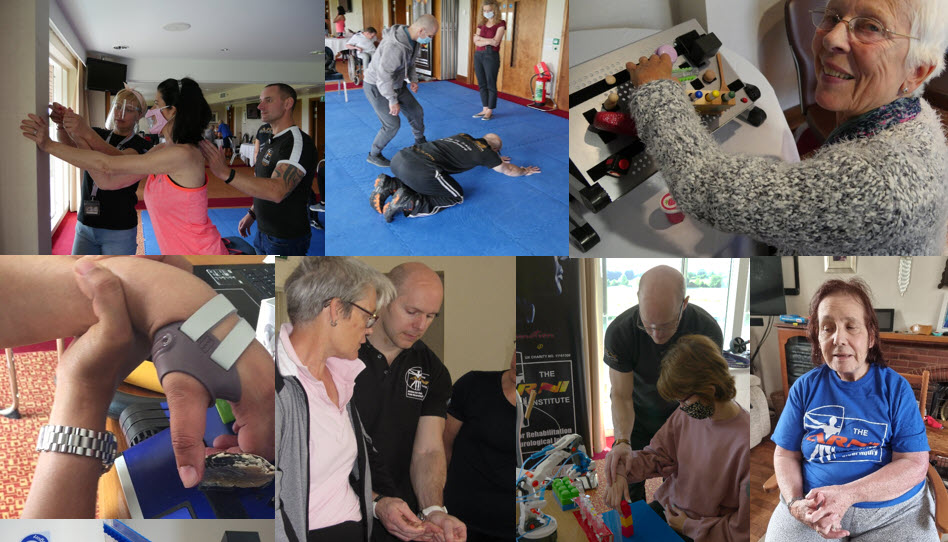
ARNI is well-known around the UK as a ‘go-to’ for stroke survivors and families when considering requesting an excellent instructor or therapist who will help survivors to rehabilitate in the community.
All dates are 10.15am – 5pm on Saturdays, for easiest access.
Day 1: January 22nd
Day 2: Feb 12th
Day 3: Feb 22nd
Day 4: March 12th
Day 5: March 26th
Day 6: April 9th
(Also practice training/shadowing days: March 22nd, April 1st, April 8th)
2. ADVANTAGES OF COMPLETION:
Learn how to really train stroke survivors: what they actually need from you in the community to recover as much function as possible.
Learn evidence-based skills, knowledge, retraining know-how and ‘tricks of the trade’ that you can offer and over again to stroke survivors (and families) to help them with ongoing rehab and self-management.
Be sent repeated referrals over time from ARNI Charity for rehab training.
Use the ARNI tele-rehabilitation system.
We may have people already on our lists who need your help, because we often have no other Instructor in specific areas to refer to or because existing Instructors sometimes find themselves unable to accept any more survivors to retrain.
Buy yourself or someone you care about some ARNI goodies TODAY:Β claim a huge 50% RIGHT NOW off any of the items featured below!
Get a bundle of ARNI gear at half-price – any published ARNI Book or manual (Successful Stroke Survivor or Had a Stroke, Now What?), physical DVD or DVD set, online anytime video subscription, limited edition blue 4-logo ARNI Training t-shirt, training diary, ARNI badged USB stick or cool gold-effect logo coaster!Β
3 DAYS ONLY! HURRY PLEASE! No orders in after 5pm on Friday 17th December please!
See Product page 1 and Product page 2 to see usual item prices and see below the illustration pictures for HOW TO GET THE ITEMS FEATURED BELOW at 50% off!Β
PLEASE NOTE:
We have no coupon facilities set up forthis Christmas offer, so just go to Product page here and choose everything you like that is featured on this page, note them down and then call us at ARNI on:
‘I’m pretty elderly now. If I have a stroke, I’m sure I won’t recover function’.
Good news though. This isn’t automatically so. The evidence reveals that overall, age is NOT considered to be a strong predictor of a better or worse functional recovery after stroke.
And elderly patients with stroke are still absolutely considered candidates for rehabilitation regardless of stroke severity, and each case needs to be considered on the basis of individual characteristics and potential. Factors such as fitness, cognitive functioning, family/community support and comorbidities (other health problems you may have had pre-stroke and may still have) are considered important in these cases.
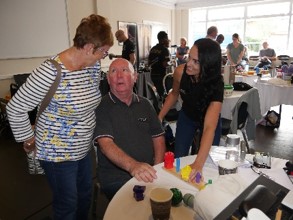
Here is a wonderful photo of two people who are currently being retrained by ARNI Rehabilitation instructors: Harry Baker and his Grandfather! Harry, when he came to see us was just 15. His Grandfather is 95!
You probably know that stroke is most likely to occur after 55 years of age, with 38% of strokes occurring between 40-69 years and 59% of strokes occurring in people aged over 69 years. You’re most probably also aware that advancing age is considered a risk factor for stroke, with the incidence of stroke approximately doubling each year above 60 years of age. The average age of stroke is 72 years for men and 78 years for woman in the UK.
Although many people choose to ignore it, it’s very important for an older person to identify (or this being done for them by their GP) the things which increase their risk of having a stroke so that they can modify the way they live to reduce the risks.
The aging process is known to cause specific cardiovascular changes that impair heart and blood vessel function. These changes lead not only to reduced physical and mental ability, but aging is also a risk factor for cardiovascular disease (CVD). CVD is a classification term for diseases that involve the heart or blood vessels. For example: heart attack, stroke, heart failure, angina, hypertensive heart disease, rheumatic heart disease, cardiomyopathy, abnormal heart rhythms, congenital heart disease, valvular heart disease, carditis, aortic aneurysm, peripheral artery disease, thromboembolic disease and venous thrombosis.
A few lifestyle changes could reduce your risk.
Stopping smoking, reducing your alcohol intake, maintaining a healthy weight, eating healthier (high fibre, less fatty/surgery) foods and taking regular exercise can make a massive difference.
Existing medical conditions, like high blood pressure, high cholesterol, heart disease, diabetes, irregular heartbeat (atrial fibrillation), and having a transient ischaemic attack (TIA) can increase your risk of suffering a stroke. If you’ve not yet done so, you should probably ensure to consult your GP or a healthcare expert to summarise your risk factors for stroke as well as conduct a medication review for you.
Recovery after stroke
As noted above, older people are more likely to have pre-existing health conditions which can affect their ability to adjust to change and/or be the cause of functional limitations which in turn make ADLs more difficult to.
However, the brain has a life-long capacity to learn and adapt. Through processes called neuroplasticity and neurogenesis, the brain remodels itself in response to learning and experience. This allows the brain to change it’s structure and organisation; strengthening, adding or removing neural connections or creating new cells (neurons).
Neuroplasticity does decline as we age, but it doesn’t stop. It’s never to late to learn a new skill and many people use retirement as an opportunity to learn something new. This is only possible due the still present ‘plasticity’.
Does that mean that elderly stroke survivors can regain function after a stroke?Β Yes, and they do!
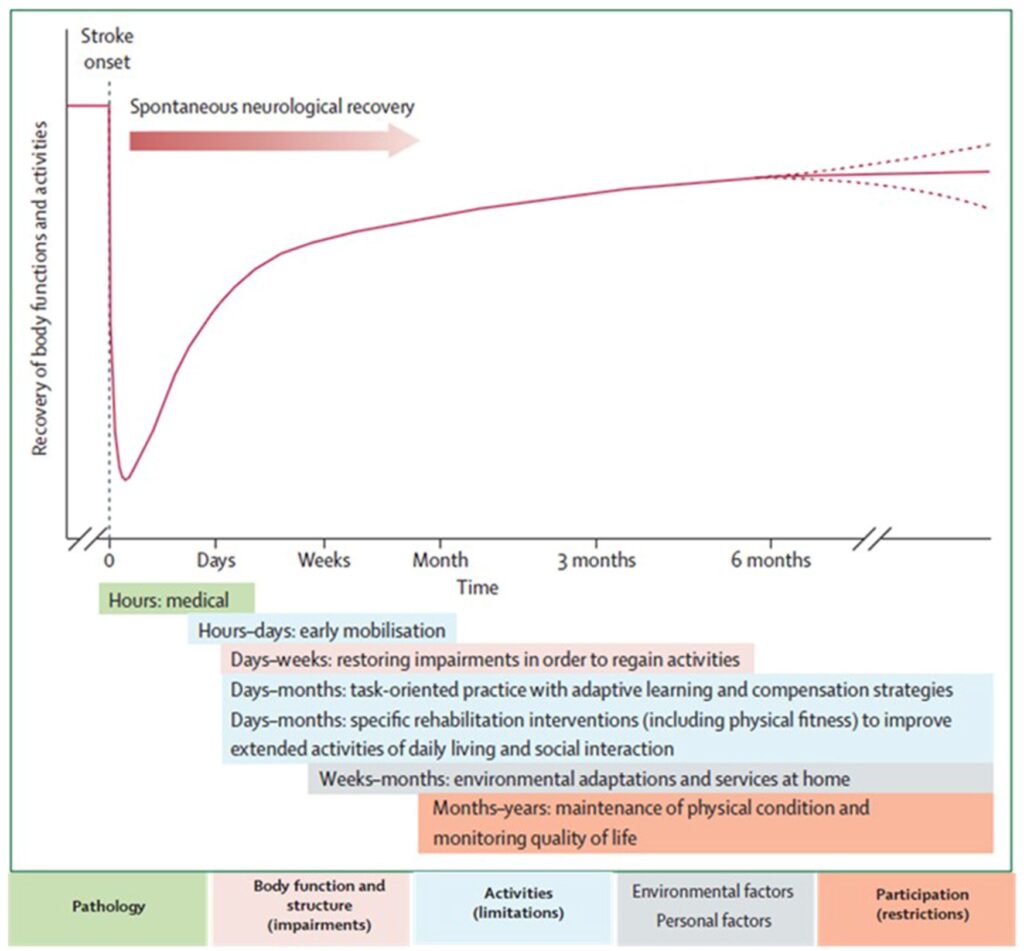
There is hope for recovery, even for elderly and previously ill stroke survivors. Specialist post-stroke care and early rehabilitation are key to gaining the best outcomes. Most improvements occur in the first 3 months after a stroke, after which they do slow down, but the brain will keep creating new neural pathways after this time: well after 6 months and in numerous cases, after many years. See how this is done in Had a Stroke? Now What? So it’s very important to begin and to continue with a tailored rehabilitation programme once no community (state given) help is available.
In order to bring about functional change, neural pathways for desired activities need to strengthened. At a very basic level, this can be optimally achieved through repetitions (facilitated by ‘smart’ use of use of some augmentations and principles which one can ‘add’ to movements to optimise their performance over time, always trying to work ‘on the edge of your current ability. How do do this is explained in my ‘stroke rehab possibilities wheel diagram’ in Had a Stroke? Now What?. The more repetitions you can achieve in a shorter time, the better the brain can re-structure. The skill you are trying to ‘re-learn’ should be something that is relevant and meaning for you.
You’re more likely to succeed if you deem the task or tasks important and worth-while. For this reason, I’ll show you how you can set mini-plans (or goals) and identify what you want to achieve, so that you can prioritise your time. This is particularly important if you suffer from fatigue and low energy levels. Goal-setting (although to many people it sounds like a very woolly term) will help you to stay motivated and on-task if you match it with record-keeping. Actually, record keeping is the valuable one. Goals can quite vague but recording what you achieve each time you retrain is the massive biggie. So few people really do it, and it’s a shame. They really should – success lies in knowledge – knowledge is power!
So, young or old – let’s go! There’s ALWAYS a way. If you can’t locate what that way is at the moment, ask us and we’ll give you some pointers ok?
To get involved with rehab talk with other stroke survivors, please visit ARNI Facebook
The majority of stroke survivors whom Iβve met, when describing their prior physiotherapy and any other rehabilitative efforts, will report that the focus of therapy was usually on seated stabilisation, seat to stand, weightbearing and walking practice. All vital stuff. But only a small minority remembered being introduced to/practising upper limb exercises.
This happens for a number of reasons, but as time and resources are most usually limited, therapists often do not have time to devote to extensive hand-function efforts. Many receive no upper limb therapy at all. And by the time further treatment is sought, the task is all the more harder. At the height of the pandemic, many patients were told that it was safer to go home and receive no therapy or no further therapy.
This is why it’s critical that the leading edgeUpper Limb Clinicdeveloped at the Institute of Neurology at UCL by Professor Nick Ward builds up more and more a body of evidence of efficacy so that it becomes clear that a ‘3 week intensive blast’ of multi-therapies that such a Clinic can offer, with the learning for survivors and families that can accompany it, can become an effective bolt-on or plug-in funded for each hospital in the UK with a stroke unit in order to push/promote/kick-start recoveries. Maybe this will happen in due course. I hope so!sive
In the meantime, it’s vital that stroke survivors are shown what to do as far as upper limb is concerned in the community, as soon as possible after discharge, in order to continue the work of the therapists or initiate it if none has yet been done.
The reason is that all evidence points to the fact that high dosages of repetitions, over time, stand best chance of assisting upper limb recovery. This has to be done by the survivor, at their own residence. Survivors need to know what to try to do themselves and what they need to seek help with/for.
The evidence (see yearly-updated in-depth reviews of well over 4,500 studies including over 2,170 randomized controlled trials at www.ebrsr.com) reveals that:
Task-specific training, alone or in combination with other therapy approaches, may be beneficial for upper limb function.
Higher and lower intensity task-specific training may have similar effects on upper limb function.
Trunk restraint with reaching training may improve upper limb function.
Let’s discuss how you as a stroke survivor can use this evidence. Remember, high dosages of repetitions (of reach, grasp and release) are needed. Remember that all attempts at repetitions (including mental practice) drive neuroplasticity. You NEED to get it done, over and over again, even if nothing is happening: there are ‘tricks of the trade’ as it were’ that you can use.
I’m going to show you all of this in a series of Youtube clips.
Have a look at this small video I put together: this is clip 1 of 20 or so about upper limb training. Then take part with me by subscribing to the new ARNI Stroke Rehab Tips on Youtube. Upper limb rehab will come first and Video 1 is already up on there: watch and subscribe for further Youtube videos! Many other stroke rehab topics will be loaded up on there as time moves on.
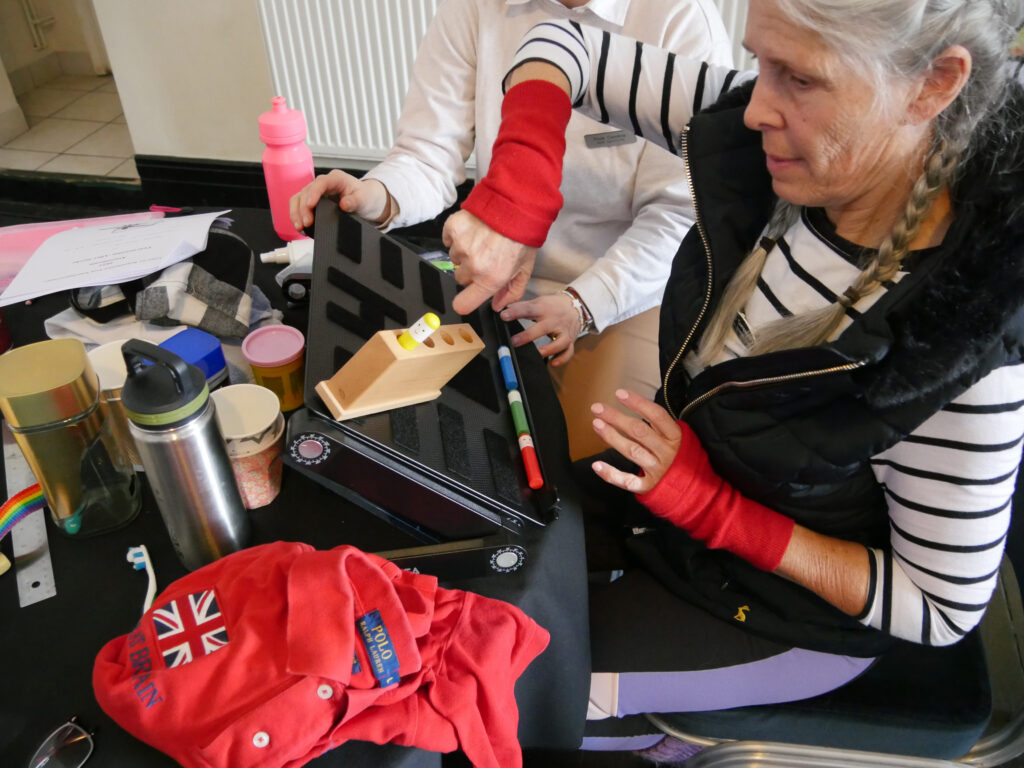
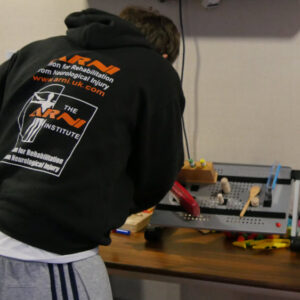
If you do want to take part, you need only a minimum amount of kit. A short stick (cut a broomstick and chamfer the edges), a tray or book, some items with blue tack stuck to the bottom (or MUCH better a laptop board with heavy duty Velcro strips attached and some specific items with Velcro squares attached to them – click the link to get, or make your own board).
Being in a seated position is fine when doing upper limb task-specific training. But completing the reaching task by moving your trunk forward to complete a reaching activity is βcheatingβ. This is where trunk constraint works well.Β This is often done via a chest seatbelt/harness.
How to start retraining your upper limb after stroke? Your starter programme consists both of stretches and tasks.Β You may or may not have been taught how to safely self-stretch but the idea is that more is better and safety is paramount. You have to stretch your upper limb (gently), knowing at the same time simply stretching wonβt bring recovery. You have to be task-focused. So, when you do a stretch, you then do something challenging and specific functionally with the stretch.
For example, stretch, then try to pick a hairbrush up and put it into a cupboard. In your retraining sessions, stretches must be considered as promoting the chances of the successful performance of the task.
Remember my upper limb catch-phrase: stretching enables the task and extends βtime on taskβ.
These are very important for improving your potential ability to reach for, grasp and release items with your hand: activities that are denied to so many stroke survivors. You can use stretches daily in order keep muscles long and prevent further complications. The best results are often seen in people who have consistently stretched their wrist, fingers and thumb on their more-affected side from a very early period in the hospital.
Upper limb task-specific practice concerns reaching (which you perform mainly with your shoulder, elbow and wrist joints) and grasping/releasing (which you do mainly with your fingers and thumb joints). Stroke survivors often find it very hard to make purposeful movements requiring precise control of either; rendering movement slow, inaccurate, and usually not well directed or coordinated. Isolated recovery efforts for the upper limb, often in terms of grasping and releasing an item during a task, correspondingly demand effort and accuracy.
Unlike (to an extent), lower body, training coping strategies for and during rehabilitation of the upper limb should be largely avoided.
If you have spasticity and find it hard to reach away from your torso, Β you may tend to βthrowβ your more-affected arm at a task mainly by activating your shoulder joint. This stands in contrast to a more controlled movement sequence, where your arm can move away from your torso using your shoulder, elbow and wrist joints to help position your hand to complete a task. The latter situation is better than the former.
Success at reaching therefore needs to be trained for. Building up strength and working for incremental spasticity decline can be worked on at the same time. So, trunk constraint whilst performing task-practice has strong evidence for improving outcomes, because it makes βcheatingβ nearly impossible to do.
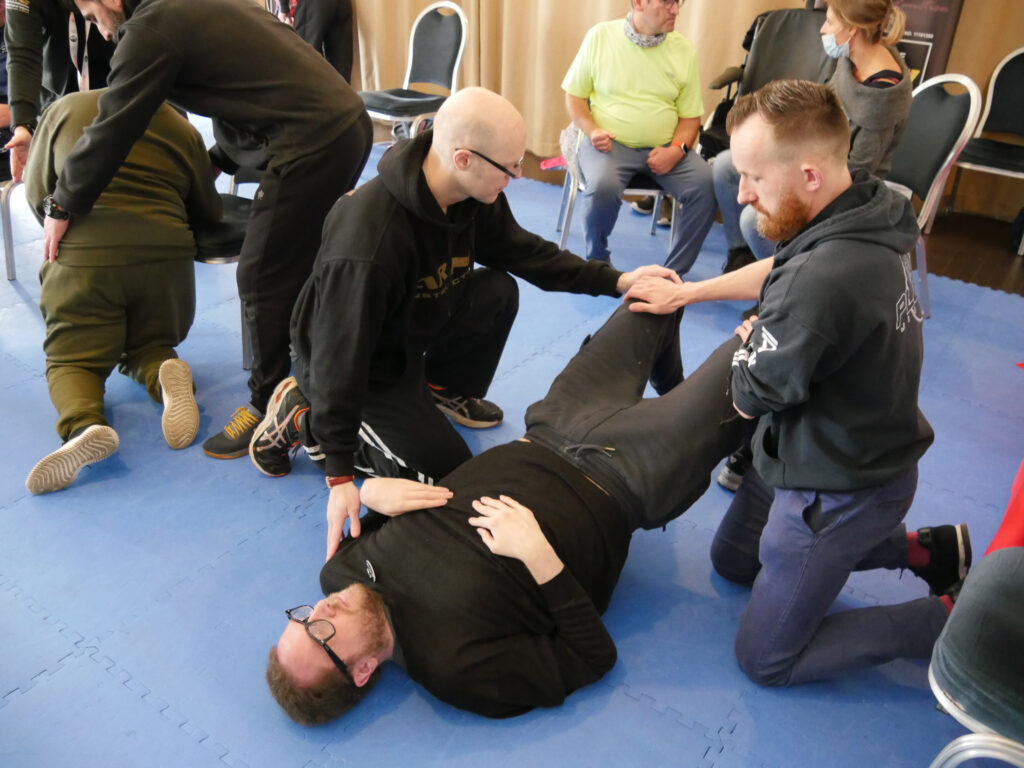
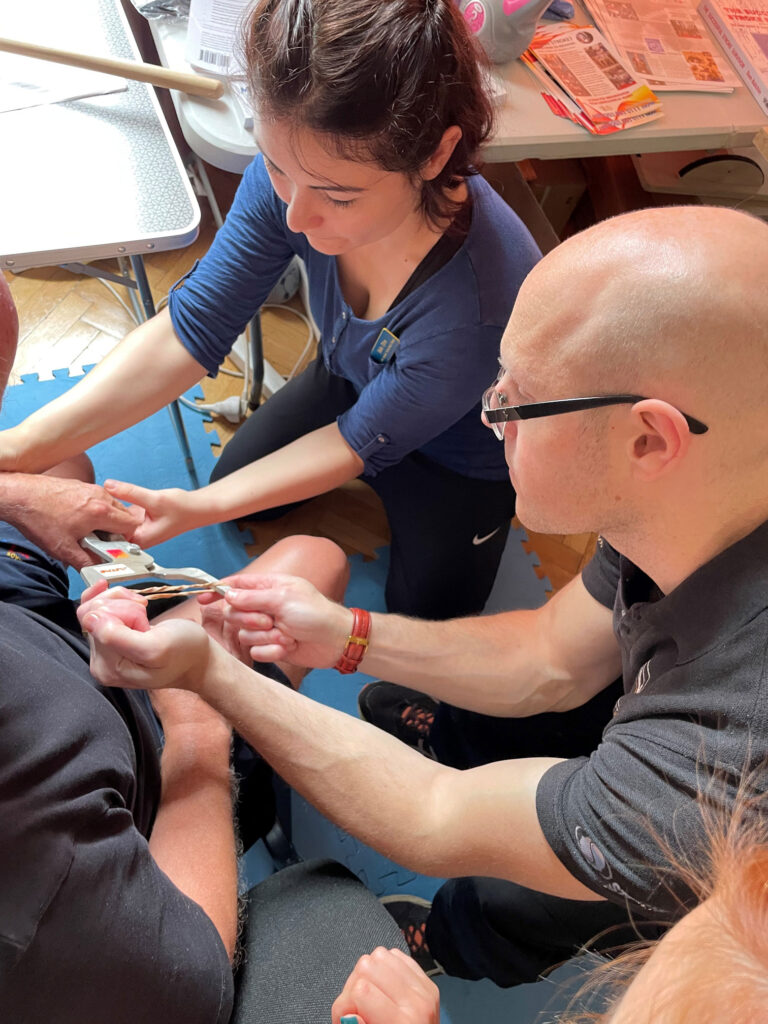
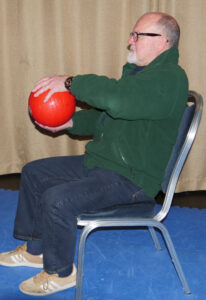
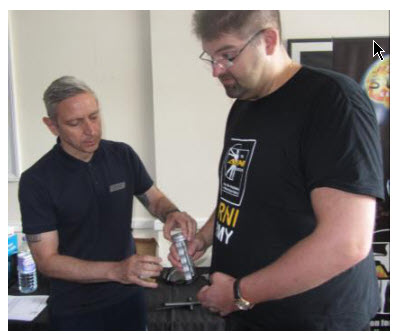
Also, limb de-weighting via wrist holding or using de-weighting technology is a therefore a good way of facilitating this from the start. See picture, below and left. This is because βheavy armβ can render tasks very difficult to perform.
I’ll show you all this in one of the videos, and how a therapist, trainer or any family member can do this precisely to help the survivor ‘get the ‘gap’Β between thumb, first finger and middle finger, in order to pick up an object.
So, arm de-weighting, often in terms of assisting in reaching for an item during a task can be used to initiate and/or extend your time practising a task.
One thing you need to know is that although there is evidence that functional control of your hand will only improve once you gain more control over joints which are closer in towards the body (proximal) rather than further away (distal), recent evidence suggests that you should be also be trying to work with your fingers and thumb right from the start rather than waiting for your arm to get stronger in order to position your hand accurately.
This might sound strange if you canβt even βget a gapβ between your first finger and your thumb, or that your fingers and thumb are ‘floppyβ. Both states would seem to make ‘useful’ hand function non-existent.
However, itβs suggested that, via specific retraining, distal control can and should be trained for immediately after stroke, This is also because if you waited for control to return from proximal to distal, you might achieve some strength in the shoulder, elbow and wrist over time but may not have done any task-specific grasp and release attempts at all, let alone put in the very large amount of intensive retraining time that might stand a chance of helping you regain control of the main reason why you have an arm in the first place.
Being physically active is a great way to improve and maintain health and wellbeing… and reduce the chance of a stroke. And of course, rehab is required if you’ve had one.
If you have had a stroke, you will hopefully have been shown how to implement your own programme of consistent repetitive movement at home during your recovery.
To help you with this and many other features of tackling limitations from stroke, you are invited to take part in a week-long programme of online sessions.
Each has been designed to encourage open dialogue and activity between researchers, clinicians, charities and stroke survivors.
The Programme of Events starts with discussion about how researching the brain post-stroke leads to better health outcomes and ends with a workshop about staying active after stroke.
As usual, I’ll be running a workshop.Β
This will be on Tuesday 26th October from 3.30pm to 4.30pm.
I’ll be showing you some video clips (concerning recovery of the upper limb) and attempt to guide you through some simple methods to encourage recovery of reach, grasp and release via repetitive task-activity.
Each survivor has their own particular presentation and we’re going to see what we can do so that everyone receives helpful tips for progression
If you like, to prepare, do get a few implements together in a pile (like chess pieces) and stick some blue-tack on the bottom of each one. Or (as I’ll be teaching using this simple task board in order to demonstrate), do feel free to get hold of one. Or of course, make your own!
You’re warmly invited to participate! Let’s do it!!
Weβll also be joined by the team behind the campaign We Are Undefeatable, which aims to inspire and support people with long-term conditions to build physical activity into their lives in a way that works for them. They will talk about their campaign, the kind of movements that can be done from the comfort of your own home, and give some tips about how to make being more active fun.
The impact so far of the Prescription, and its potential, will be assessed by four leading names from across neurorehab. The webinar,Β held by NR Times working alongsideΒ NRC Medical Experts, is the first in a series to analyse key issues in neurorehabilitation. The panel taking part in the webinar are:
Professor Mike Barnes, one of the UKβs most experienced neurorehabilitation experts
The Rehabilitation Prescription is designed to give patients, GPs, case managers and everyone involved in an individualβs care a comprehensive overview of their immediate and longer-term neurorehabilitation requirements in one summary document, which acts as a guide to navigate the complexity of neurological disability.
The event will look at whether the Rehabilitation Prescription really is improving patientsβ lives or whether, when the patient reaches the community, outside of the realm of NHS help, a rehabilitation prescription that can be used to guide ongoing rehabilitation, is part of standard current practice or not.
Certainly, rehabilitation prescriptions for stroke survivors which are updated as a patient advances in their don’t seem to happen at all. But it it would be invaluable for a patient to know that any therapist they work with can access a βpassportβ containing up to date information on their rehabilitation needs, which can perhaps also be updated over time…
* The webinar is free to attend but registration is needed. There is also the opportunity to submit questions in advance. To register, visitΒ here.
Your exclusive invitation for professionals who help those with brain injury, and for survivors and their families, only by application RIGHT NOW!
For 2.5 hours, this Thursday (23rd September 2021, 10.30am to 1pm), listen to and talk directly with the UK’s Leading Experts in Stroke Recovery.
Listen to and ask Professor Val Pomeroy (University of East Anglia) about getting to grips with/analysing action control and Professor Avril Drummond (University of Nottingham) about managing fatigue.
Co-chairs: Hokman Wong (Bolt Burdon Kemp) and Tom Balchin (ARNI).
This is a rare chance for you to ask these two engaging experts about their fields and any other query you have. They will present for 45 mins each and the rest of the time will be concerned with taking your questions. So do come prepared with a few questions to ask: go for it!
There is NO CHARGE and we can also also apply on your behalf for a Certificate for 2.5 hours National CPD Service CPD points for attending.
These people are experts who I myself try and engage with when I need help in order to help a patient with a certain issue. So whoever you are, be it professional, survivor, family member or carer, do book up for this event (see flyer below).Β
Reservations for Thursday’s awesome event are going quickly, so please do read the flyer below and reserve yours NOW by emailing tom@arni.uk.comΒ
Please note: if you already registered (for example, you attended last Thursday’s Conference with Professors Cathy Price and Heidi Johansen-Berg), then there’s nothing more to do except login at 10.15 or so, ready for 10.30 start!
Professor Valerie Pomeroy is Professor of Neurorehabilitation and Director of Research at the School of Health Sciences, University of East Anglia with expertise in translational research into neuroscience-based rehabilitation interventions (proof-of-concept and early phase trials). Emphasis is placed on care closer to home and development of sensitive physiological measures for timely identification of response to therapy, prediction of response and the neural correlates of response. A particular expertise is in MedTech development especially after securing team mentorship on the Design Council Leadership Programme in 2014.
Professor Avril Drummond is Professor of Healthcare Research in the School of Health Sciences in the University of Nottingham. She is Non-Executive Director at University Hospitals of Derby and Burton NHS Foundation Trust. She is particularly interested in patient care and NHS research. She is an expert in rehabilitation research and evaluation of service delivery. An occupational therapist by background, her research includes rehabilitation research in stroke, traumatic brain injury, low back pain, total hip replacement, Multiple Sclerosis, specific studies of GP fit notes, hemianopia, early supported discharge, fatigue, falls prevention and home visit assessments, the work of the stroke units and community re-enablement.
Task-specific practice must not only tackle recovery milestones, such as grasping, releasing and so on, but minimise behaviours that can be introduced after stroke. Itβs essentially quite simple: itβs doing the task you want to do. A lot. And making all efforts to improve. So, if you have significant spasticity in your upper limb, to retrain the ability to open a glasses case to get your specs, you practise opening up your glasses case. If you want to lift a cup and drink from it, you need to get a cup and practice lifting and drinking from it as accurately as possible, thousands of times. And attempt to improve progressively and consistently.
Neuroplasticity is best activated through repetition. Meaning, when a skill is highly practiced, neuroplasticity strengthens the neural pathways for that skill. This is how you can work towards recovery during life after stroke. The more a skill is practiced, the higher the chances of strengthening neural connections for that skill and restoring function. www.arni.uk.com If you like this post then please share it with others. Each time that you share a post, you can directly help other people β as who knows which people in the world might find us and gain, either directly from the charity or simply by being able to copy an βinnovative and usefulβ move/trick of the trade that might help them manage after stroke. Every time you share, you could directly help someone β as knowledge is power π #neurorehabilitation #strokesurvivorscan #neurorehab#neuroplasticity#strokesurvivors#arnistrokecharity#strokeexercise... See MoreSee Less
This is a sobering and critical update for stroke care in the UK as we start 2026: senior medical leaders, (including long-time friend of Dr Tom Balchin and ARNI, Professor David Werring), who is the past president of the British and Irish Association of Stroke Physicians (BIASP), have issued a stark warning that thousands of stroke survivors are facing avoidable death or severe, lifelong disability due to a critical shortage of specialists within the NHS.
The message is clear: the system is really struggling to provide the 'right expert at the right time' - meaning many patients are missing out on the immediate, high-stakes evaluations and treatments like thrombectomy or thrombolysis that are essential for saving brain tissue in those first few golden hours. π§ β³
The crisis stems from a lack of consultants and specialised nursing staff, which creates a bottleneck in emergency response and diagnostic accuracy. ππ Professor Werring highlighted to the Guardian today that of course this isn't just about statistics; these are real people who could be walking and talking today if the correct specialist pathways were adequately staffed and accessible 24/7 across every region. Dr Tom notes that this disgraceful postcode lottery of care means that your chances of a full recovery currently depend far too heavily on which hospital you are taken to and which experts are on shift when you arrive. ππ
This warning serves as a massive call to action for this government to prioritise the recruitment and retention of stroke specialists and not waste so much money on OTHER THINGS WHICH ARE LESS A CONCERN TO THE LONG-TERM BRITISH TAXPAYER - to prevent further unnecessary tragedy. π€π£
While technology like AI imaging and mobile stroke units are helping, they cannot replace the clinical judgment of a seasoned stroke physician. We must have a system where every patient receives the gold-standard care they deserve, ensuring that the journey after a stroke is defined by recovery and hope, rather than av#strokecrisis#NHSStaffingi#strokeawareness2026k#HealthEquality##saveourbrains #SaveOurBrains ... See MoreSee Less
A&E doctors at rake lane. North Tyneside. Misdiagnosed a ct scan. Missed the bleed on the scan. No mri scan until the patient asked for one. No pathway followed. Doctors treated symptoms as a migraine. Oxygen paracetamol. Patient was not sedated to fully scan brain as patient could not tolerate MRI. Several pictures were taken which proved a pca stroke. No thrombosis or mechanical. Retrievement, balloon stent. Just a set of doctors who didn’t have a clue. Then the patient went on to have a right frontal brain haemorrhage.
I am a advertisement for this. Doctors need to follow pathways. The incorrect diagnosis murders patients or disables them for life
Second stroke, whilst entering A&E I said give me 300 mg Aspirin. It saved me last time. I was told I had a migraine. 3 days later a stroke nurse saw me on a normal ward and then they jumped into action. Too late. Damage done.π
My son (one of many unemployed doctors in the UK) is willing to be trained as a specialist.
So true here in Ontario, Canada
π― % agree β€οΈ
Yep I was sent away from a&e told it was a migraine!!! Due to location of stroke it would only show on mri and also presents as BEFAST not FAST which many medical teams dismiss!!
I was misdiagnosed with MS and put on the wrong ward where I had a second stroke. This was despite a brain scan. Now part disabled.
I agree. We used to see the adverts for Stroke on TV - act FAST! we rang 999 immediately and it took nearly 3 hours to get to a hospital 20 miles away. 3 weeks in hospital with no physio, sent to nearby Stroke Rehab unit where we were told my husband would get intensive physio etc. staff shortages meant there was no physio for nearly 3 months and the gym was closed. Such opportunities were missed and we are still upset about this over a year later.
From NICEimpact stroke: The UK performs mechanical thrombectomies (MT) at lower rates than many other high-income developed countries, estimated at around 1–2 per 100,000 population annually based on recent audit data.
Tracy Snelling
If that is the case i.e. re thrombectomy , why have i survived with limited cognative issues and no physical issues , while having the clot insitu for 16+ hours as up in the air on a long haul flight from Dubai to Melbourne. ?!?! NB ,I was only the 5th person the said expert had done the operation on ...... following the trial of said clot retreval / thrombectomy operation . ?!?!. All of this happened in Australia 14 years ago . !!! How bloody lucky am i ? Cos i'd of been dead in the UK ! I was told by them !!!
Shocking
I was left sitting in A+E for 6 hours while my stroke symptoms got worse. Husband took me as 8 hour wait for ambulance.
Was seen to late for thrombosis treatment
Aftercare shocking. Disabled at 52. Gone is a life i loved to one in can't wait to be over
Simply not good enough..... Ambulance wasted 10-15mins in my home - that could have meant less disability for me. They were also using FAST....they also were considering calling another ambulance because they felt they couldn't wheel me out down a path. I'm so glad my husband was there advocating and backing me up because I knew it was serious and *I* said stroke first. Without my husband I'd be dead. I complained to SAS to be told their "call duration" was within "acceptable" and "normal" time scale..... This is terrifying even more so reading this article. What is it? Is stroke not sexy enough a field to specialise in? Is it too difficult to learn? Everything about stroke needs overhauled. Everyone keeps using FAST when without examining the other symptoms and determining them as yes it is vertigo or no it is a stroke means they'll never hone that accuracy of diagnosis. I'm not saying BEFAST is the complete answer however I ALWAYS share the so called non common symptoms.
Ultimately if stroke diagnosis and care comes down to AI - maybe we will have a better chance than with human involvement.
Sorry for a rant but I'm very angry at this. NHS need to spend smarter - chucking money at something broken doesn't work.
My life was saved because I advocated while I could and didn't sit back (I couldn't lol!!!) and accept it was a panic attack but many others would. My husband's intervention by helping to get me out of the house and into the ambulance and the consultant on duty.
So true I was in a&e with all the poster symptoms of a stroke did a ct which showed no bleed on the brain with in 2 hours but it took 17 hours for them to decide we need to do differnt types of scan to find out I had a ischemic stroke meaning I could have had the clot buster and potentially less disabled than I am now had they looked earlier their apology was sorry as your 32 we decided it was unlikely so didn’t scan sooner I’m sorry but this isn’t good enough nhs is understaffed and under specialised for instance my report says I walked in to a&e nope I was stretchered in by an ambulance completely paralysed on one side unable to do any thing at all
I had to take myself to a&e.two hr wait for ambulance .Went in a 6.30 pm Saturday.Had CT at 10.30pm.Told I hadn’t had a stroke.Has F.A.S.T symptoms.
Finally got a bed at 5.30p on the Sunday.
π‘π‘π‘
Here here , I am on my own had a stroke & it was like talking to myself .
After 4 weeks in rehab which involved sitting in a chair all day , except when I walked up & down the corridor ( not every day ). I was taken to a kitchen to make sure I could get something to eat. Climbed up & down stairs I was sent home .
Alone , no one to make sure I was ok. etc .
Everything I have done myself , go to a multi gym 3 times a week , zoom yoga once a week , trike ride once a week weather permitting, stroke club once a week !!! I wasn’t given any contacts , places to go or anything !!!! It is a postcode lottery !!!!
Stroke and bleed missed by local hospital as I was too young to have a stroke.
Was labelled as mentally ill and refused care, after care and rehab.
Neurological care in this country is terrible.
The thrombectomys can only be done in the counties major a@ e departments as they need the correct machinery available per 24 hrs and the correct level of expertise / human to be able to do the proceedure + i.e. training !! An ordinary a@ e dept. Could / should NOT be expected to do this !!!! That was why small a@ e's were shut down years back to lessen the pressures on small units . !!! The NHS can not afford ( the money is not there) to have this high level of care , its the same as some cancers can be saved and others cant. !!!!?
Strokeaudit.com:
"For the average UK person experiencing an eligible large vessel occlusion (LVO) stroke—about 10–15% of all strokes—access to mechanical thrombectomy (MT) stands at roughly 3% nationally, meaning only 1 in 33 eligible patients receives it."
Recovering upper limb function after a stroke is often described by survivors as one of the most frustrating and intricate parts of the rehabilitation journey π§ π. It is incredibly difficult to coordinate the precise motor control needed to get the wrist, hand, fingers, and thumb into the perfect position to reach, grasp, and eventually release objects during Activities of Daily Living (ADLs) βοΈπ. For many, the arm can feel heavy and/or stuck in a flexed position, making simple tasks like picking up a glass or using a fork feel like an uphill battle that requires immense mental and physical effort π°π¦Ύ.
However, there is a powerful way to break through these barriers using the ARNI Approach, pioneered by Dr. Tom Balchin (pictured), assisting a survivor to 'get the gap', as he calls it, using a special technique he created and which is taught by all ARNI Instructors (get yours today by calling ARNI Stroke Rehab UK) and is rooted in the latest neuroscientific research πβ¨. This method focuses on aggressive, evidence-based principles that combine intensive stretching to manage presentations involving combinations of spasticity and flaccidity with high-repetition, task-specific practice πββοΈβ‘οΈ.
By breaking down complex movements into manageable 'chunks' and forcing the brain to find new neural pathways through neuroplasticity, survivors can begin to see real functional changes that traditional, mostly-passive, lower-intensity therapy completely misses. What makes the ARNI style so effective is its real-world focus on getting the hand to actually work in the context of your own home π π.
Instead of just doing abstract exercises, you're trained to use your more-affected limb for meaningful actions, which builds the confidence and strength needed for true independence ππͺ. By consistently applying these principles of physical training and functional habit-building, many survivors discover that they can indeed regain the ability to grasp and release, turning frustration into a story of incredible success and reco#ARNIstrokerehabi#strokerecoveryr#arniapproacho#UpperLimbRehabIApproach #UpperLimbRehab ... See MoreSee Less
I used the motor bike to get the gap and had a fairly useful hand 4 years after stroke but I've now got a spastic arm I can't use.
10 years now.
Bet you can't tell me how it happened
Approximately 40% of stroke survivors experience this difficulty: to comprehend or produce spoken or written language caused by a cerebrovascular accident. In half of these cases the language impairment still persists one year post-stroke. Aphasia has wide-ranging effects on the ability to function and quality of life of stroke survivors and easily leads to social isolation. If you need help, ARNI SLT Telerehab can now help YOU, right now, wherever you are in the world! The latest evidence shows clearly that you can conquer aphasia very successfully with the help of speech and language therapy. And it also shows that SLT Telerehab is just as effective as in-person, face to face treatment. We have a team of highly experienced low-cost specialist SLTs (all post-grads from Universities such as UCL, the University of Cape Town etc) who are available to help you right now, in your home, via Zoom. You get a one to one hourly service, based around your diary needs, from the comfort of your own home, with a highly experienced specialist speech and language therapist. Please enquire to arni.uk.com/get-remote-speech-language-help-now/ ! #aphasia#strokesurvivors#strokerecovery#strokerehabilitation#strokerehab#aphasiaawareness#neurorehabilitation#arni#exerciseafterstroke#strokeexercise#strokerecoveryexercises#neuroplasticity#ARNIstrokerehab www.arni.uk.com... See MoreSee Less
I had a girlfriend who couldn’t speak after her stroke she used to video call me it was like a game of charades trying to work out what she was trying to say she broke up with me I still don’t know why ??
The fight to save vital local healthcare services in the West Midlands has intensified as over 600 people, including people on our ARNI Stroke Rehab and Recovery page after we highlighted the issue in December, have officially signed a petition to halt the proposed closure of a dedicated stroke rehabilitation centre in the Black Countryβ.
Families, former patient and community advocates of Hollybank House are raising their voices in 2026 to protect these essential beds, which provide the specialised, high-intensity care necessary for survivors to regain their independence after a neurological event π₯π§ . For many in the region, this centre represents the difference between a successful recovery at home and long-term disability, making the news of a potential shutdown deeply distressing for local families ππ¦Ύ.
Supporters of the petition argue that moving rehabilitation services further away or shifting them to overstretched general wards will create a dangerous postcode lottery for stroke care ππ. They highlight that the specific expertise found within this Black Country unit cannot be easily replicated in a standard hospital setting, where the focus is often on acute stabilisation rather than the long-term, multidisciplinary therapy required for neurorehab πββοΈ.
The community is calling on local NHS leaders to reconsider the impact this closure will have on vulnerable patients who already face an uphill battle during their recovery journey π€π. As the number of signatures continues to grow daily, the organisers are urging more people to join the cause and demand a transparent review of the decision-making process βοΈβ¨.
ARNI Stroke Rehab UK says that it just demonstrates just how much the public values specialised stroke services that keep patients close to their support networks and loved ones during their most difficult times π β€οΈ. We must ensure that the progress made by stroke survivors isn't stalled by budget cuts or administrative restructuring, so letβs keep the momentum going to save this lifeline for the Black Country community! ππ’ www.arni.uk.com #ARNIStrokeRehabUK#BlackCountryHealth#StrokeRehabilitation#CommunityAction... See MoreSee Less
Spasticity (high tone) A common physical response to brain injury caused by your stroke, spasticity can cause muscles in your arms or legs to tighten uncontrollably, causing pain and discomfort. Spasticity in one or more of your limbs is muscle shortening caused by damage to the portion of your brain or spinal cord that controls voluntary movement. Certain muscles (such as the finger flexors) can become continuously contracted. Spasticity is dependent on the speed with which muscles are moved. So, the faster a sudden, passive stretch is made, the faster your resistance to it will be. Symptoms may include hypertonicity hypertonicity (increased muscle tone), clonus (a series of rapid muscle contractions), exaggerated deep tendon reflexes, muscle spasms, scissoring (involuntary crossing of the legs), and fixed joints. The degree of spasticity varies from mild muscle stiffness to severe, painful, and uncontrollable spasms.
First 2026 ARNI instructor course starts on 24 January 24
This is the ONLY FUNCTIONAL REHABILITATION & EXERCISE TRAINING QUALIFICATION CURRENTLY AVAILABLE IN THE UK which teaches experienced therapists and exercise instructors how to continue the rehabilitation path of stroke and other acquired brain injury survivors.
The course if for therapists and exercise instructors who are Level 3 and above or suitably qualified β who wish to teach functional rehabilitation & exercise training after stroke and receive regular recommendations/referrals from the ARNI Institute. Find out more, and how to register for the accreditation here arni.uk.com/instructors/ #StrokeRecovery#exerciseafterstroke#strokerecoveryexercises #strokerecovery ... See MoreSee Less
In 2026, the story of 41-year-old Adam Watkins serves as a powerful and sobering reminder that we must never ignore the subtle warning signs our bodies send us. When Adam woke up with a completely numb, 'dead' sensation in his arm, he initially dismissed it as nothing more than having slept awkwardly during the night. However, as the morning progressed and his speech began to slur, the terrifying reality set in that he wasn't just experiencing a trapped nerve, but was actually in the middle of a life-altering medical emergency π.
Medical professionals later confirmed that Adam had suffered a major stroke, directly linked to his long-term Β£200-a-month smoking addiction π¬π. The toxins from years of heavy smoking had caused significant damage to his cardiovascular system, leading to the critical blockage in his brain. For Adam, the realization that his expensive habit had nearly cost him his life was a devastating wake-up call, highlighting how a daily routine can slowly build up into a catastrophic health crisis without any prior warning signs.
Now on the road to recovery, Adam is sharing his journey to warn others that a stroke can happen to anyone at any age, especially if they are smokers πβ€οΈ. He has completely quit the habit and is urging people to recognise the BEFAST symptoms - Balance, Eyes, Face, Arms, Speech, Time - to ensure nobody else makes the mistake of 'sleeping off' a stroke. Letβs take his story to heart and prioritise our health over our habits to ensure we're there for the people who love us most! π #StrokeAwareness#StopSmoking#HealthJourney#ActFAST#StrokeSurvivor... See MoreSee Less
In my partner Harry Taylor's case none of that applied. He was out running, keeping fit, ironically, when bam!! Major brain bleed, still fighting to recover 2.5 years later. Right-side paralysis, no use of right arm, Apraxia, Aphasia, Dysarthria. Permanent brain damage to the basal ganglia area of his brain. We think it was stress from his job. NEVER GIVE UP!! β€οΈ
I was a smoker too having given up previously for 11 years I started again in 2015 and suffered a ruptured brain aneurysm in 21 not had a cigarette since
None of that applied to me either my stroke was caused by a birthmark on my brain which caused a bleed 8 hour brain surgery to remove the birthmark and stop the bleeding I’ve been left with left side paralysis it’s turned my world upside down! π₯